What is Workflow Orchestration?
Think of a symphony orchestra. Dozens of musicians, each with their own instrument, all playing different parts. Some enter early, others wait for their cue. The violin section might play softly while the brass builds to a crescendo. Without a conductor to coordinate the timing, dynamics, and flow, you'd have chaos instead of music.
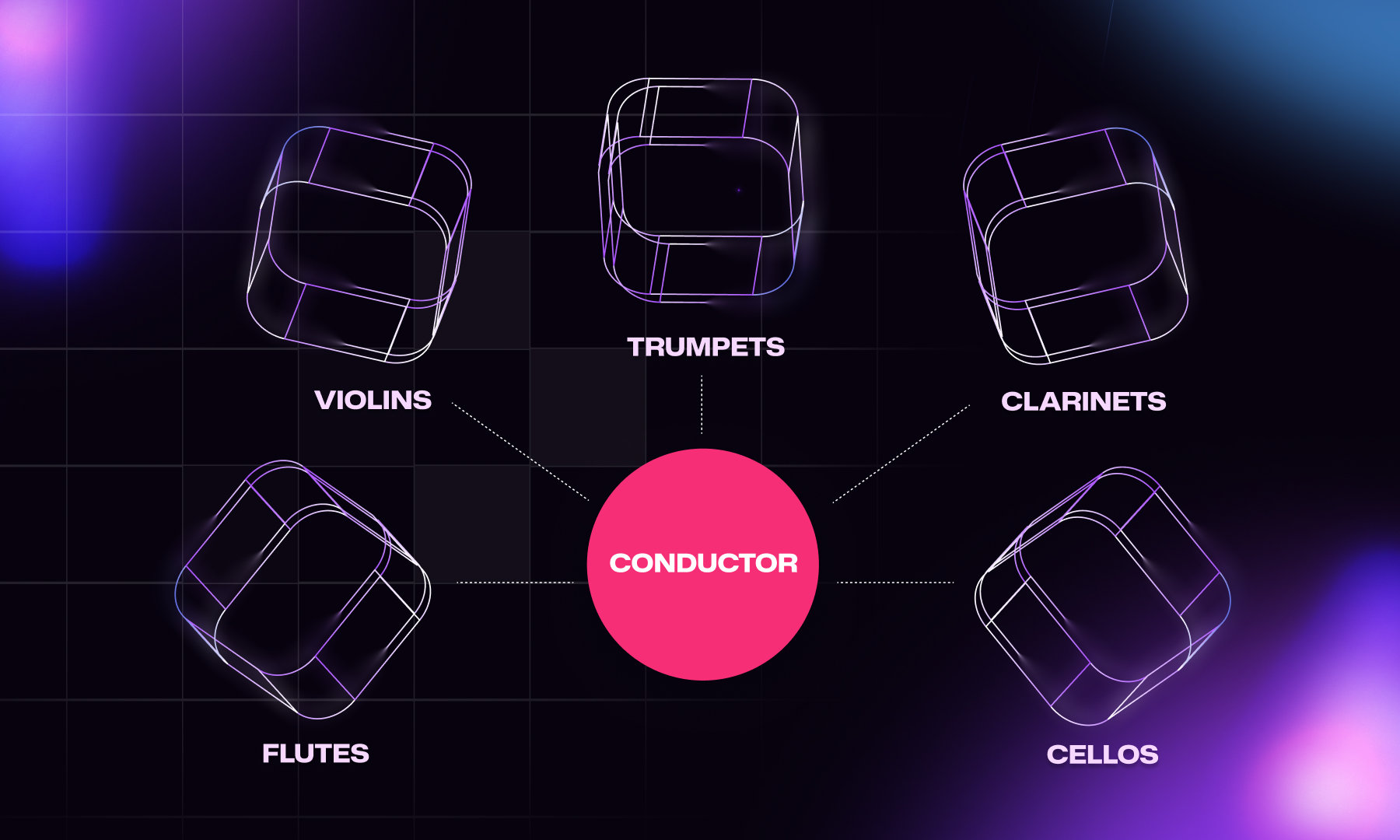
Now imagine your work environment. You have databases that need syncing, APIs that need calling, reports that need generating, notifications that need sending — all at different times, in different sequences, sometimes depending on each other. Just like an orchestra needs a conductor, your systems need an orchestrator.
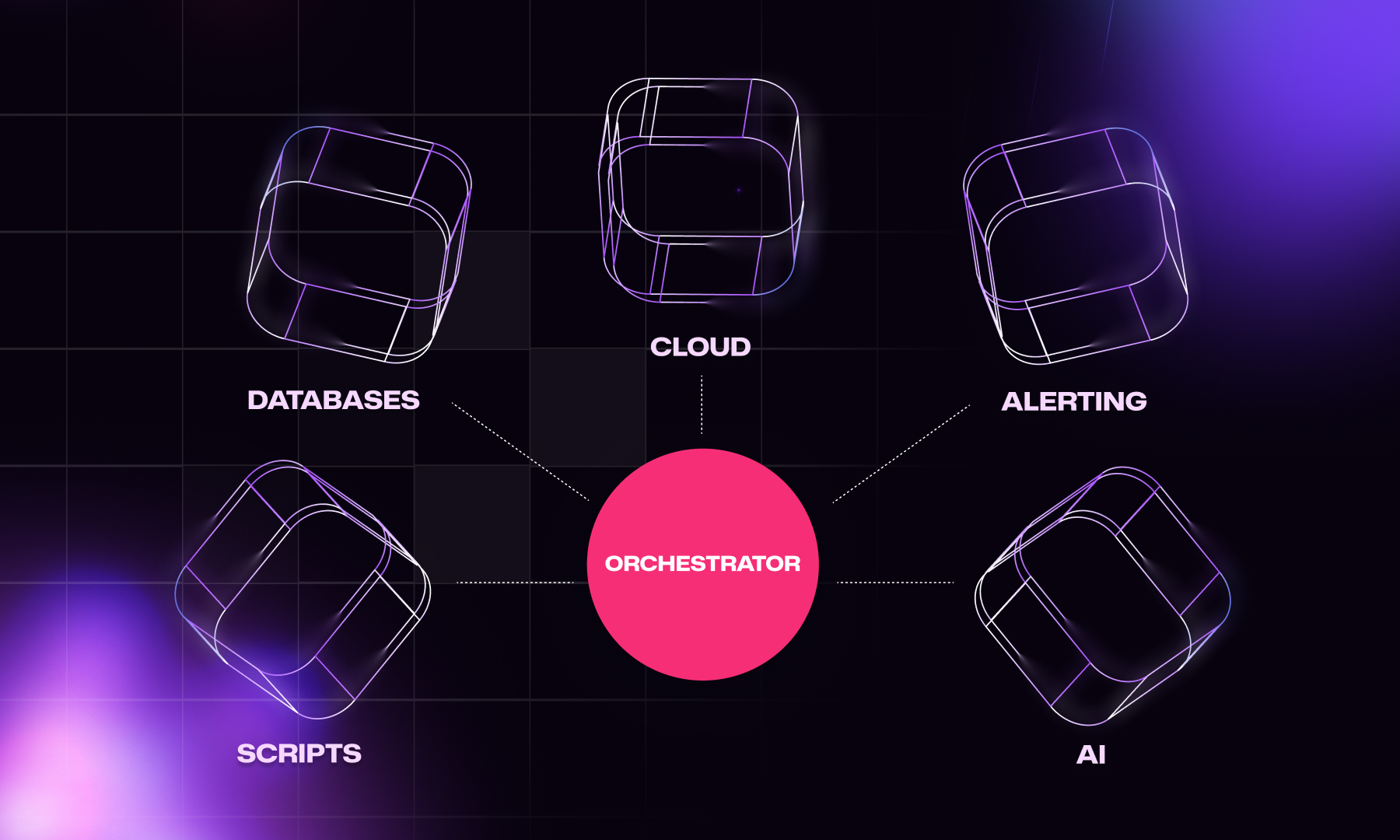
A workflow orchestrator coordinates your tools and processes:
Running multi-step workflows in the right order
Monitoring for errors and handling them gracefully
Triggering work based on schedules or events
Providing visibility into what's happening and what went wrong
Consider a common scenario: every morning, you need to pull data from your production database, clean and transform it, load it into your data warehouse, run some analytics, and email a summary to your team. You could do this manually, or write scripts that you hope run correctly. Or you could use a workflow orchestrator to manage every step, retry failures, log everything, and alert you if something breaks.
That's what Kestra does. But before we start building workflows, let's understand what makes Kestra different to other orchestrator and automation platforms.